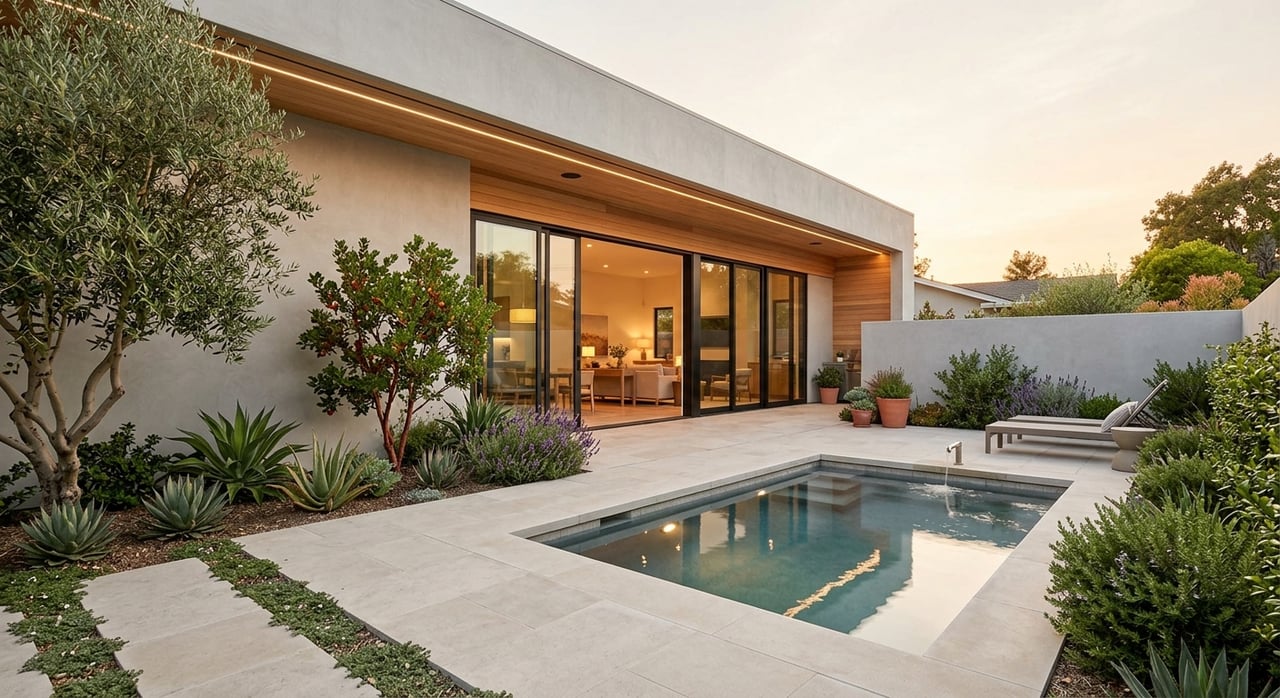
Oceanside Coastal vs Inland Living: Which Fits You?
May 14, 2026
May 14, 2026
If you love the idea of Oceanside, here is the real question: do you want to live at the coast, or do you want more space and flexibility inland? That choice shapes your budget, your routine, and even how you use the city day to day. If you are weighing both sides of Oceanside, this guide will help you compare price, lifestyle, access, and practical tradeoffs so you can narrow your search with confidence. Let’s dive in.
Oceanside is a true beachfront city, but it is not one uniform housing market. The city has about 3.7 miles of shoreline, while the inland portion makes up more than three-quarters of the city’s land area. That alone helps explain why homes closer to the coast are generally tighter in supply and why inland areas tend to offer more choices.
The city also defines a broad coastal zone that includes property from the inland side of Coast Highway to the Pacific Ocean, plus some nearby areas around the San Luis Rey River, Loma Alta Creek, and Buena Vista Lagoon. In parts of that zone, certain projects require a Coastal Permit, and some decisions may be appealed to the California Coastal Commission. For you as a buyer, that can make near-beach ownership more layered than buying farther inland.
Coastal and near-coastal Oceanside usually appeal to buyers who want proximity, walkability, and an everyday beach feel. Downtown centers around The Strand and the pier, with restaurants, coffee shops, arts and cultural spots nearby. South Oceanside adds its own mix of local dining, shopping, Buccaneer Beach, and access to the Buena Vista Lagoon area.
Much of the immediate coastal area west of I-5 was largely developed starting in the 1950s. That means you will often see older housing stock, established streetscapes, and a more constrained inventory picture. In practical terms, you may be paying a premium for location even when the home itself is smaller or older than inland options.
Inland Oceanside is broader, more varied, and often easier on the budget. Growth expanded later into areas such as the San Luis Rey Valley, the Highway 78 corridor, Rancho del Oro, and Morro Hills. That history helps create a wider range of home styles, lot sizes, and price points.
Lifestyle also shifts as you move inland. Instead of organizing your day around the beach and pier, you may spend more time using parks, trails, and open space. Places like Guajome Regional Park, Mission San Luis Rey, and the South Morro Hills area give inland Oceanside a different rhythm that many buyers find just as appealing.
The price gap between coastal and inland Oceanside is meaningful. As of April 2026, the coastal-adjacent 92054 ZIP had a median listing price of $1.312 million and a median sold price of $1.1525 million. By comparison, 92056 had a median listing price of $799,000 and a median sold price of $870,999, while 92057 had a median listing price of $649,999 and a median sold price of $753,000.
Rental costs show a similar pattern. Median rent in 92054 was $4,450 per month, compared with $2,775 in 92056 and $3,021 in 92057. Price per square foot also followed the same split, with 92054 at $801, 92056 at $538, and 92057 at $483.
Here is a simple snapshot of that spread:
| Area | Median Listing Price | Median Sold Price | Median Rent | Median Price per Sq Ft |
|---|---|---|---|---|
| 92054 | $1.312M | $1.1525M | $4,450 | $801 |
| 92056 | $799K | $870,999 | $2,775 | $538 |
| 92057 | $649,999 | $753K | $3,021 | $483 |
If your goal is to maximize beach proximity, 92054 often reflects that premium. If your goal is to stretch your budget, gain square footage, or keep more options open, inland ZIP codes often provide more room to work with.
One of the biggest mistakes buyers make is treating Oceanside as a simple coastal versus inland binary. In reality, both sides have range. Downtown Oceanside had a median listing price of about $1.299 million in April 2026, South Oceanside was about $1.595 million, and Fire Mountain was about $1.55 million.
Inland neighborhoods also span a wide spectrum. In 92056, Realtor.com showed areas such as Oceana at about $459,999 and Lake Park at about $497,500, while San Luis Rey was about $649,900, Ivey Ranch-Rancho del Oro was about $829,999, Guajome was about $974,999, Ocean Hills was about $1.0945 million, and Tamarack Point was about $1.5675 million.
That matters because inland does not automatically mean inexpensive. It usually means more variety. You can often compare different combinations of lot size, home age, layout, and location without being locked into one narrow price band.
In coastal Oceanside, buyers often pay for more than just the structure itself. You may be paying for the ability to walk to the beach, reach dining and coffee spots without a car, or enjoy a stronger connection to the pier and harbor areas. That daily convenience can be worth a lot if you plan to use it often.
The city’s beach system makes that lifestyle easy to picture. Harbor Beach offers access to the harbor area along with parking, restrooms, showers, picnic tables, fire pits, a boat ramp, and volleyball courts. The pier area also serves as a major civic and recreational hub with nearby amenities and event access.
Still, not every coastal block delivers the same experience. The city notes that some southern beach areas are mainly accessible at low tide, and some rely more on metered or paid parking than easy curbside access. So if “near the beach” is your top priority, it helps to define whether you mean ocean views, walkability, quick sand access, or simply being a short drive away.
Inland Oceanside tends to attract buyers who want more flexibility in how they live. You may be able to find more square footage, different home styles, or a broader range of community layouts. That can be especially useful if you are relocating, planning for changing household needs, or simply trying to balance comfort with cost.
The lifestyle tradeoff is not lesser, just different. Guajome Regional Park alone offers about 4.5 miles of trails through woodlands, wetlands, and grasslands, plus picnic areas, playgrounds, day-use parking, and camping. If your ideal weekend includes outdoor space and easier parking rather than the beach crowd and coastal premium, inland may feel like the smarter fit.
For some buyers, the decision comes down less to price and more to movement. Oceanside has a strong transportation network, including the COASTER, the SPRINTER, and Metrolink service terminating in Oceanside. The San Luis Rey River Trail is also accessible just a few blocks from the Oceanside Transit Center and is planned to connect with the Coastal Rail Trail.
The city’s road network is anchored by I-5, SR-76, and SR-78. That means coastal and downtown locations may offer stronger appeal if you want to lean on walkability, rail, or bike access, while inland locations may work better if your routine is centered on freeway driving and residential street access. Your commute style can be just as important as your home search criteria.
Buying near the beach can be exciting, but it is important to understand the added complexity. In Oceanside’s coastal zone, certain exterior work or property changes may trigger special permit requirements. Some projects may also fall within an appeal area tied to the California Coastal Commission.
The city’s coastal planning also connects to sea-level-rise vulnerability and coastal hazards. Oceanside is actively working on beach nourishment, dune restoration, harbor dredging, and broader adaptation planning. If you are considering a coastal property, it is wise to look closely at permit history, possible exterior limitations, and any flood- or erosion-related questions tied to the exact location.
If you are stuck between coastal and inland Oceanside, try ranking your priorities instead of chasing a perfect label. The right fit usually becomes clearer when you decide what you want to use most often and what you are willing to pay more to get.
Ask yourself:
For many buyers, the sweet spot is not the most expensive coastal block or the farthest inland value play. Mid-ground options like Fire Mountain, Loma Alta, and selected pockets of 92056 can help you test how much you value proximity versus space.
Oceanside works best when you think of it as a spectrum, not a yes-or-no choice. The coastal corridor tends to command a premium for proximity, walkability, and beach access, while inland areas often offer more space, more housing variety, and more flexibility in the budget. Neither side is automatically better. The better choice is the one that matches how you want to live every day.
If you want help comparing Oceanside neighborhoods with your budget, commute, and lifestyle goals in mind, Katie Nelson can help you build a focused plan and narrow the options with confidence.
Stay up to date on the latest real estate trends.
Katie’s award-winning experience and long-standing ties within the community provide her clients with a distinct advantage when it comes to finding their dream home or investment opportunity.

KATIE NELSON | CA DRE# 02134845
ADDRESS 682 S Coast Hwy 101 Suite 110 B Encinitas, CA 92024