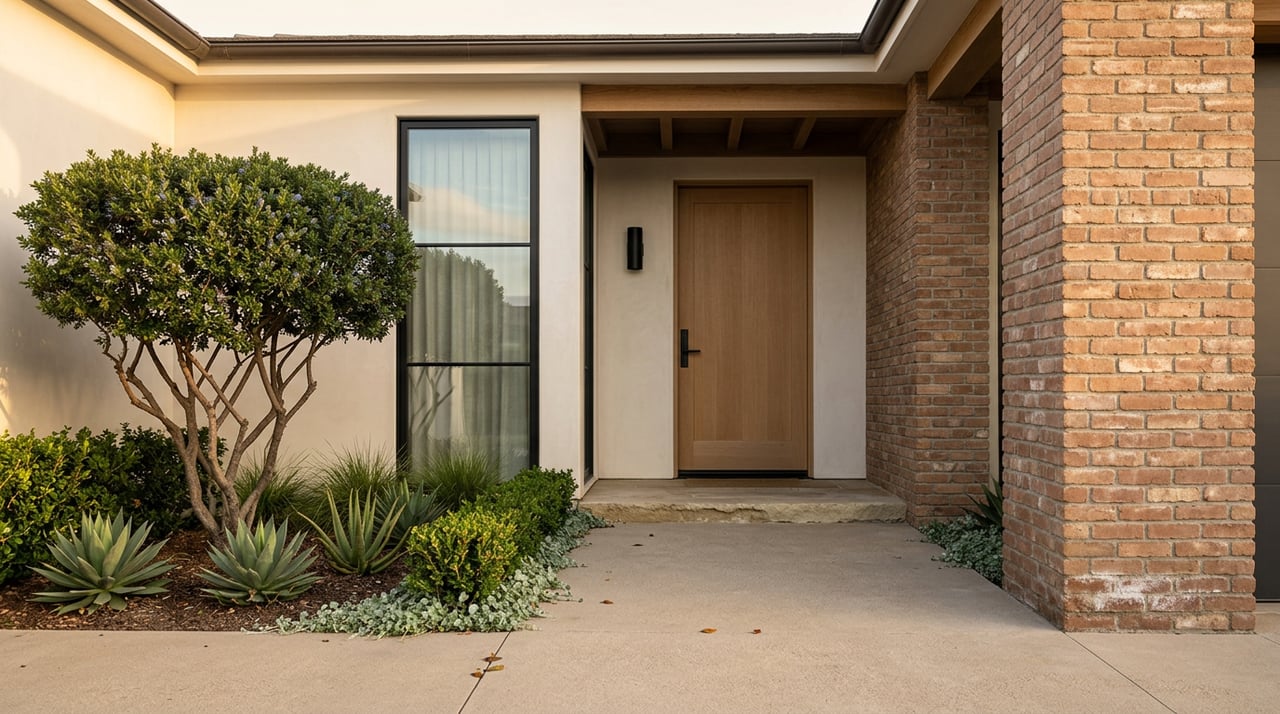
Are you thinking about trading your big Del Mar home for an easier, lock-and-leave lifestyle? You are not alone. Many longtime coastal owners want less maintenance, better access to amenities, and a smarter way to use hard-earned equity. In this guide, you will get a clear, step-by-step plan with timelines, costs to consider, and local resources tailored to Del Mar. Let’s dive in.
Why downsize in Del Mar
Del Mar is a high-value coastal market where typical single-family homes sit in the multi‑million range. That often means you have significant equity to redeploy, but fewer lower‑priced replacements within the city limits. Many downsizers evaluate condos or townhomes in Del Mar, or look to nearby Solana Beach, Encinitas, or La Jolla for more options.
Timing matters here. Coastal micro‑markets can shift quickly and seasonally. Some months bring fast sales with tight days on market, while other months require patience. A strong local pricing strategy and timing plan will help you decide if you should sell first, buy first, or use a short‑term rental.
If your current or future home is oceanfront or on a bluff, coastal planning and insurance deserve early attention. Review the City’s active Sea‑Level Rise and Local Coastal Program materials to understand bluff policy and shoreline protections. You can explore the City’s program on the Local Coastal Program page, and check local FEMA mapping on the Del Mar FEMA flood map page before you set your budget or insurance plan.
Your step-by-step plan
Clarify goals early (12–18 months)
- Define your “why”: less maintenance, single‑level living, access to care, travel‑friendly, or unlocking equity for retirement plans.
- List your non‑negotiables: parking, storage, workspace, pet rules, elevator or single‑level, HOA amenities, and proximity to the village or beach.
- Decide on location flexibility: a smaller single‑family home in Del Mar is rare, so many owners compare Del Mar condos or townhomes with nearby coastal communities.
- Loop in trusted family members so decisions and timing stay aligned.
Assess equity and cash flow (6–12 months)
- Request a comparative market analysis and a rough net‑sheet so you understand likely proceeds after mortgage payoff, closing costs, and prep expenses.
- Consider a formal appraisal if your property is unique or very high value.
- If you are 55+ and moving within California, evaluate Proposition 19 early. Transferring your base‑year value can reduce future property taxes. Review rules on the CA Board of Equalization Prop 19 page and plan filing with the county assessor.
- Start talking with your financial planner or CPA to model retirement income needs, tax exposure, and whether to buy before or after selling.
Explore smaller options (3–9 months)
- Compare housing types: condo or townhome for low maintenance, a smaller single‑family home if available, or a short‑term luxury rental while you shop.
- Use practical filters: HOA fees and rules, single‑level floor plans or elevator access, guest policies, parking and storage.
- Tour in person to check clearances and furniture fit. Bring a tape measure and a short list of your “must‑keep” pieces.
- If you want services and amenities, you can research independent or senior living communities in nearby coastal areas. Local programs like Del Mar Community Connections can also help you plug into services. See the City’s Senior Services and DMCC page.
Prep to sell and time it (3–6 months)
- Declutter, donate, and right‑size possessions. Line up estate sale or donation pickups well ahead of listing.
- Complete small repairs that impact buyer confidence. Consider a pre‑listing home health check.
- Gather documents early: HOA disclosures, permit history, and coastal or bluff‑related work if applicable.
- Plan for disclosures. California sellers provide a Transfer Disclosure Statement and a Natural Hazard Disclosure. Review the state’s NHD guidance from the California Association of Realtors in this quick guide.
- Expect about 2–4 weeks for staging and photography when working with a full‑service listing team.
Close, move, settle (0–8 weeks)
- Typical financed escrows in California run about 30–45 days. Inspection and appraisal contingencies are often negotiated early, with inspection periods commonly in the 7–17 day range.
- Book movers and specialty help early. Senior move managers can coordinate floor plans, packing, and settling so you do not have to lift every box.
- If you sell first, arrange a short‑term rental or rent‑back to keep your timeline flexible.
- After move‑in, update mailing addresses, utilities, and estate documents. If you plan to file for Prop 19 benefits, calendar your county filing steps.
Financial and legal must-knows
Build a simple net-proceeds worksheet
- Estimated sale price
- Less mortgage payoff and any liens
- Less selling costs: agent compensation, escrow, title, recording, transfer tax, and prorations
- Less prep costs: repairs, staging, and utilities while listed
- Result: estimated cash available for the next home or investment
For accurate closing costs, ask your escrow or title company for a detailed estimate. San Diego’s documentary transfer tax and recording fees are administered locally. You can review county recorder information on the San Diego County Recorder-Clerk page.
Understand commissions and today’s norms
Agent compensation is negotiated. Historically, total commissions in California have often been in the 4–6 percent range, and buyer‑side compensation has become more individualized since industry changes in 2024. Ask your agent to outline options and how buyer representation will be handled in your sale.
Proposition 19 portability
Homeowners 55+ may transfer the taxable value of a primary residence to a replacement home in California, subject to rules. This can reduce future annual property taxes compared with a full reassessment. Review details and plan your filing on the CA Board of Equalization Prop 19 page, and confirm timing with the San Diego County Assessor.
Capital gains basics
If you meet the IRS ownership and use test, you may exclude up to 250,000 dollars of gain if filing single or 500,000 dollars if married filing jointly on the sale of a primary residence. Read the IRS guidance on the home‑sale exclusion, and consult your tax professional if your gain could exceed the limit.
Coastal disclosures and due diligence
In Del Mar, coastal location adds extra homework. Disclose and review any shoreline protective structures, bluff repairs, or permits. For hazard zones, see the City’s Local Coastal Program materials and check mapping on the Del Mar FEMA page. Pair those with your Natural Hazard Disclosure and your insurer’s guidance.
Common hurdles and solutions
Emotional attachments
Letting go of rooms filled with memories is hard. Give yourself time and a fair sorting plan. Start with low‑stakes areas, then schedule short, focused sessions for sentimental items. If family is out of town, set clear deadlines for pickup or shipping.
Furniture fit and storage
Large coastal homes rarely translate 1:1 into a condo footprint. Measure the rooms you are moving into, pick a handful of key pieces to keep, and confirm elevator sizes if relevant. Use a short‑term storage unit only if you have a dated plan to offload items within 60–90 days.
HOA tradeoffs
Condos reduce maintenance but add rules and fees. Compare monthly HOA dues against the time and cost you will save. Read guest policies, parking rules, and any rental restrictions to ensure the community fits your lifestyle.
Coastal risk and insurance
If you are selling or buying on the bluff or near the beach, review the City’s coastal program and FEMA mapping early. Insurance availability and premiums may differ by location. Build this into your budget before you make an offer.
Service partners who make it easier
- Senior move managers: Look up NASMM‑certified professionals on the NASMM directory for sorting, packing, floor planning, and day‑of move coordination.
- Donation and disposal: Schedule pickups early through local partners listed on WasteFreeSD’s donation guide.
- Movers and budgeting: Costs vary by home size, distance, access, and packing services. Review typical local ranges and planning tips, then get 2–3 on‑site quotes with binding estimates. Start with this San Diego moving cost overview.
Quick pre-listing checklist
- Interview 2–3 local agents with coastal and downsizer experience.
- Request a CMA and ask about recent condo or townhome comparables near Del Mar.
- Order key HOA documents and assemble permit history, especially for any shoreline or bluff work.
- Schedule light repairs and pre‑listing styling or staging.
- Map a donation and estate‑sale timeline, and book a senior move manager if needed.
When to call pros
- Financial planner or CPA: 12–18 months before listing if you expect large proceeds or want tax planning.
- Real estate agent: 6–12 months before listing to set price strategy, timing, and prep.
- Elder‑law or estate attorney: before changing title, gifting property, or updating trusts.
- County Assessor: early if you plan to use Prop 19 portability so you understand filing steps and timing. See the CA Board of Equalization Prop 19 page.
Make your move smoother with local support
Downsizing in Del Mar is both a financial decision and a lifestyle reset. With clear goals, a timeline that fits your pace, and the right partners, you can unlock equity and move into a home that is easier to love and live in. If you want hands‑on support with pricing, staging, and a coordinated sale‑to‑purchase plan, connect with Katie Nelson to get started.
FAQs
What should I know about downsizing in Del Mar’s high-price market?
- Expect strong equity but limited lower‑priced options inside Del Mar, so compare condos or nearby coastal towns while aligning timing to seasonal market shifts.
How long does escrow usually take in San Diego?
- Financed transactions commonly close in about 30–45 days, with inspection periods often negotiated in the 7–17 day range.
How does Prop 19 help me as a 55+ homeowner?
- If you qualify, you may transfer your base‑year property tax value to a new California primary residence, which can reduce future annual taxes.
What are typical seller closing costs in San Diego?
- Plan for agent compensation plus about 1–3 percent in non‑commission costs like escrow, title, recording, and transfer taxes, then verify with a title or escrow estimate.
Do I owe capital gains tax when I sell my primary home?
- Many sellers qualify to exclude up to 250,000 dollars single or 500,000 dollars married filing jointly; confirm with your CPA based on your ownership, use, and total gain.
What if my home is on a bluff or near the beach?
- Review the City’s coastal program and FEMA maps, disclose shoreline or bluff work, and consult your insurer early to understand coverage and costs.