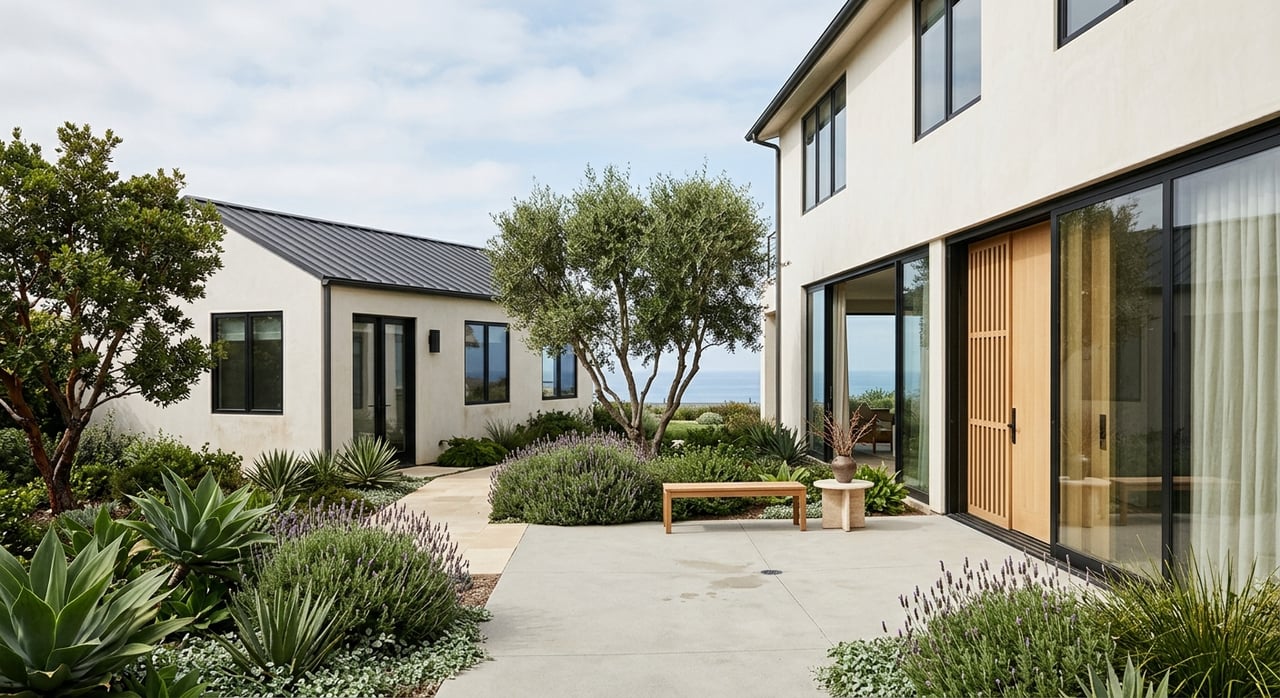
Selling an Oceanside Home With an ADU: What Matters Most
July 23, 2026
July 23, 2026
Wondering whether your ADU will help your Oceanside home stand out or create extra questions once you list? You are not alone. Selling a home with an accessory dwelling unit can absolutely open the door to more buyer interest, but the biggest advantage usually comes from clear documentation, accurate marketing, and a solid understanding of local rules. If you are preparing to sell in Oceanside, here is what matters most before your home goes live. Let’s dive in.
An ADU is not just “bonus space.” In California, an accessory dwelling unit is a secondary dwelling with complete independent living facilities, and Oceanside treats it as a regulated housing type under its local ordinance.
That distinction matters when you sell. Buyers may see an ADU as flexible living space for multigenerational use or as a possible long-term rental unit, but they also want to know how the unit was built, documented, and used.
When the ADU is presented clearly, it can broaden buyer interest. When it is described vaguely, it can raise appraisal, financing, and permit questions that slow the sale.
Before your home hits the market, it helps to understand the local framework that shapes how your ADU should be described.
Oceanside’s ADU regulations are located in Article 30, Section 3006 of the Zoning Ordinance. The city states that its rules allow a by-right 850-square-foot studio or one-bedroom ADU, or a 1,000-square-foot ADU with two or more bedrooms, with a 16-foot height limit and four-foot side and rear setbacks.
The city also allows a detached ADU up to 1,200 square feet, subject to standard zoning setbacks and lot coverage. For attached ADUs, Oceanside says the unit may not exceed 50% of the primary dwelling and should be architecturally similar to the main home in design, materials, colors, and finishes.
Parking is another detail that can come up during a sale. Oceanside says one parking space is required for the ADU unless an exemption applies, and garage conversions that displace primary parking do not require replacement parking.
The city also notes that its transit parking waiver is based on walking distance, not straight-line distance. That is a small detail, but it can matter if a buyer or appraiser starts reviewing how the property fits current standards.
This is one of the most important points for sellers in Oceanside. The city says ADU and JADU rentals must be for terms longer than 30 days, and short-term rentals are not allowed.
If your ADU has ever been marketed informally for short stays, your listing should not suggest that use going forward. Clean, factual marketing is the safest and most credible approach.
If your property includes a JADU rather than a full ADU, Oceanside says the property owner must live on the premises and a deed restriction is required. That is a meaningful difference, so it is important not to mix the two terms in your listing materials.
If you want your ADU to strengthen your resale story, start by building a clean property file. In our experience, this is one of the smartest steps a seller can take before photos, staging, and marketing begin.
The strongest proof of legality is the City of Oceanside permit record. The city requires plan submissions through its electronic process, and its development guide explains that permits may be issued once plans are approved and pre-permit requirements are complete.
After construction, inspections are requested and the final inspection is scheduled when the project is finished. The permit card includes final sign-off from the reviewing departments, which can be especially helpful when buyer questions come up.
Before listing, try to gather:
This file can help your agent market the property accurately and respond quickly during escrow.
If the ADU has been rented, documentation matters. Fannie Mae’s current rental-income guidance says rental income from an existing ADU on a one-unit principal residence may be considered in certain qualifying scenarios, and rental history is typically documented with federal tax returns such as Schedule E or IRS Form 8825, or with a current fully executed lease when tax-return history does not fully reflect the income and expenses.
Supporting records may also include bank statements, electronic transfer records, security-deposit records, or the first month’s rent check with proof of deposit. For sellers, the takeaway is simple: present verifiable history, not projections.
A well-marketed ADU can absolutely be a selling point, but precision matters more than hype.
The best listing language explains what the ADU actually is. That usually means its location on the property, whether it is detached or attached, approximate size, bedroom and bath count, and whether independent living features are present.
This is better than labeling it as “guest quarters” or “bonus space” if it was designed and approved as an ADU. It is also better than overstating its income potential if the supporting records are limited.
This is a major point. If the permit file clearly supports the ADU’s status, that can be reflected in the listing.
If the city record is incomplete or uncertain, it is better to use neutral language such as buyer to verify permit status with City of Oceanside records. That protects credibility and helps reduce avoidable friction during due diligence.
Some buyers may be interested in long-term rental use, but the listing should stay factual. It is safer to note that the ADU has a current long-term lease, consistent rent collection history, or documented city file support for legal occupancy, if those facts are available.
That approach is much more defensible than promising future returns or implying that every buyer will be able to use rental income the same way.
Even when buyers love the flexibility of an ADU, the lender and appraiser still need to make sense of what is on the property.
Fannie Mae says the appraisal must provide a clear, detailed description of the improvements. If the subject property has an accessory dwelling unit, the appraiser should describe it.
Fannie Mae also says that if a property’s design, size, condition, or plumbing, heating, or electrical adequacy creates market resistance, the appraiser must address the impact on value and marketability. In other words, the ADU should be presented as a functioning secondary unit with supporting details, not as a vague extra feature.
If permits are missing or the city file is incomplete, Fannie Mae says the appraiser must comment on the quality and appearance of the work and its effect on market value. If the use is not allowed under zoning, the appraisal report must identify it as noncompliant and support that analysis with comparable sales of similar noncompliant use.
That is why permit status matters so much before you list. It can shape not only buyer confidence, but also valuation and financing.
For some financed buyers, documented ADU rental history may support lender review in certain qualifying scenarios. That does not mean every buyer can use that income in the same way, but complete lease and payment records can make the conversation easier.
For a seller, the practical goal is preparation. The cleaner your records, the easier it is for buyers to evaluate the opportunity.
In Oceanside, the strongest resale position usually comes from treating the ADU as a documented housing unit, not informal overflow space. That means reviewing the permit trail, confirming how the unit should be described, and making sure your marketing matches the city record.
It also means understanding that fee waivers are not the same as no costs. Oceanside notes that city-controlled development impact fees have been waived, but school fees are excluded and a pro-rated water buy-in fee may still apply if a water meter needs upsizing. Buyers sometimes misunderstand those details, so accurate framing helps everyone.
If you are preparing to sell, thoughtful presentation can make a real difference. With the right pricing strategy, polished marketing, and a well-organized ADU file, you can show buyers the property’s flexibility while keeping the transaction grounded in facts.
If you are thinking about selling a home with an ADU in Oceanside, Katie Nelson can help you position the property with clear guidance, elevated marketing, and a smooth, well-managed process.
Stay up to date on the latest real estate trends.

Katie’s award-winning experience and long-standing ties within the community provide her clients with a distinct advantage when it comes to finding their dream home or investment opportunity.

KATIE NELSON | CA DRE# 02134845
ADDRESS 682 S Coast Hwy 101 Suite 110 B Encinitas, CA 92024